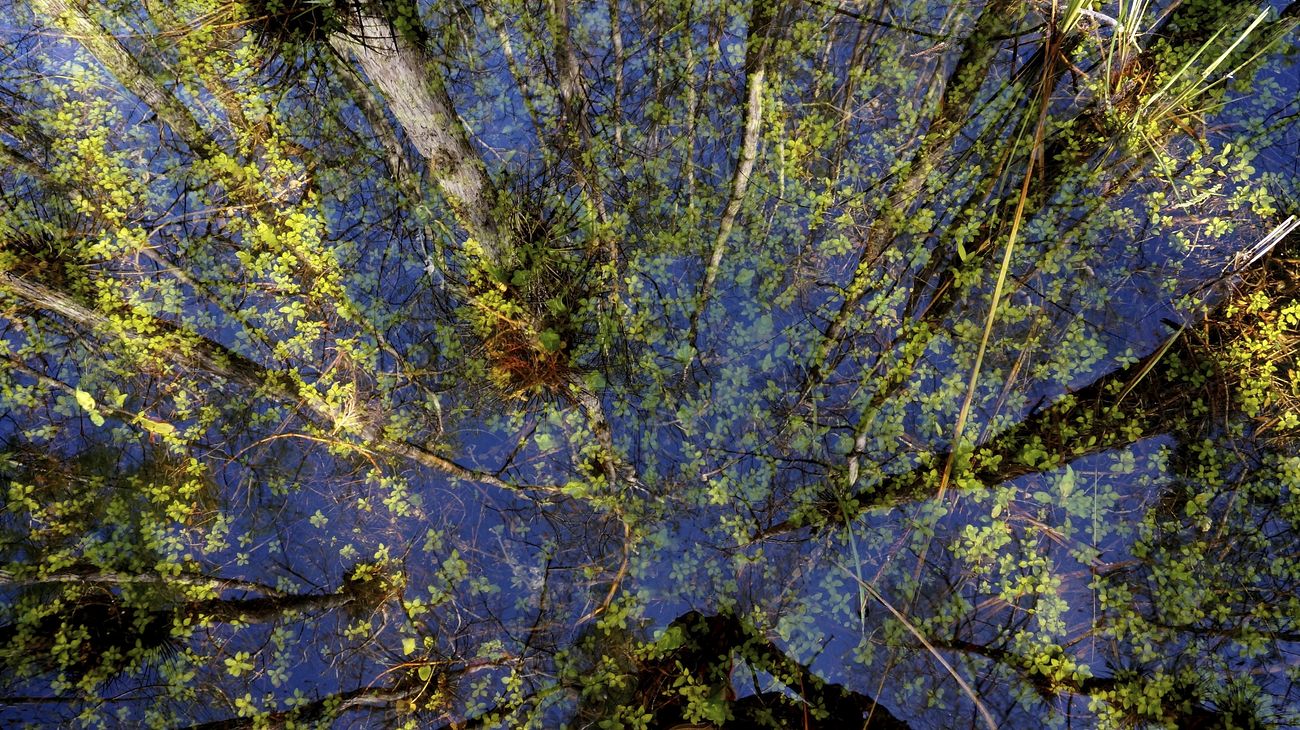
The overflow land of the Mississippi, Flint explained, contained “immense swamps of cypress,” and the water of these swamps was “covered with a thick coat of green matter,” filled with the “moccason [sic] snake with his huge scaly body lying in the folds upon the side of a cypress knee.” The enormous cypress, hundreds of years old, often towering well over 125 feet, covered and tangled the swamps and bayous along the rivers. While millions of mosquitoes, swarmed, attacked, and menaced the traveler. Only the most experienced (or desperate) men would travel into these daunting, dark, and seemingly endless waterways. Once winter ended and warm weather began, mosquitoes and heat tormented the Flint family everywhere they visited in Arkansas, “The air was excessively sultry, and the musquitoes [sic] troublesome to a degree, which I have not experienced before nor since.” The annoyance proved so unbearable, travelers and locals both drank enough liquor “to produce a happy reverie, or a dozing insensibility.” Drinkers called this amount of liquor “a musquitoe dose.” Before the family could cook a meal, they started a smoky fire to drive the swarms away. These pests proved more than a nuisance. They could kill.[1]
[1] Flint, Recollections, 261-262, 272, 273. Bald Cypress trees (Taxodium distichum) can live to 600 years although some are recorded at over 2000 years old. For more information, see “At 2,624 years, a bald cypress is the oldest known living tree in eastern North America,” https://news.mongabay.com/2019/05/at-2624-years-a-bald-cypress-is-oldest-known-living-tree-in-eastern-north-america/, accessed June 15, 2021; “Journal of the Rev Timothy Flint,” 284-288. By 1835, timbermen were floating huge cypress trees down the Ouachita from Ecor a Fabre (Camden) to a steam-powered sawmill on the Red River, over 300 miles.
 Arkansas Wildlife History