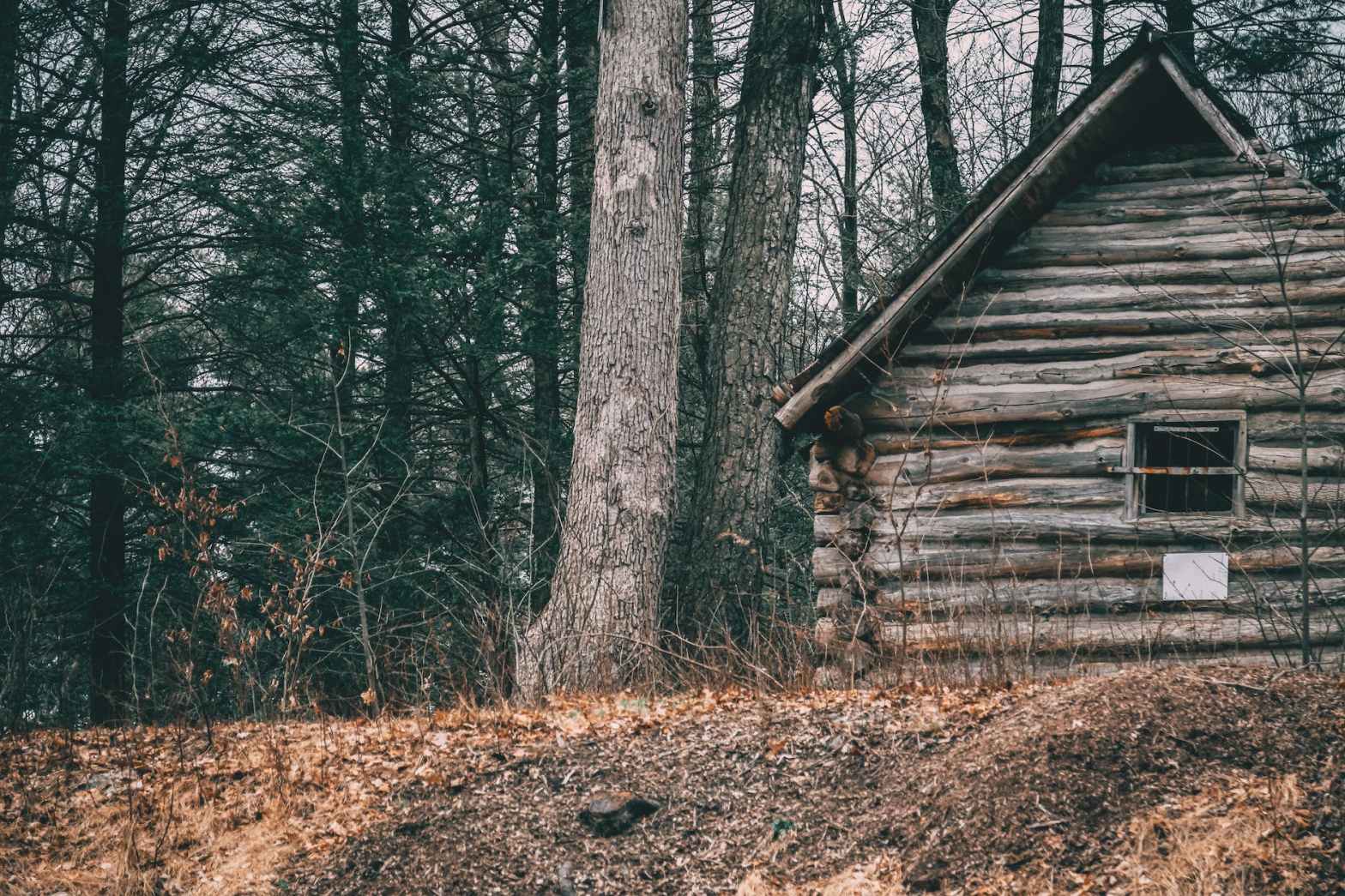
In the 1870s, sportsman Farran Wyde compared Arkansas and Mississippi’s general population and appearances. He claimed he had hunted on both sides of the Mississippi for several years, but he preferred the east side because of uncouth people who resided on the Arkansas side. “Many a weary mile have I ridden in search of a cup of cold water, and often I have been turned away from rude cabins and log huts almost always with the same answer—a scowl and a slam of the rickety door,” Wyde sadly explained. The hunter had an idea why Arkansas people were so impolite, however. He hypothesized that it was because of the “sickness prevailing among the people, for all seemed to be wan and yellow, worn out and shaking with fever and ague.” Another likely explanation was a distrust of strangers because of the violence and hardships that many rural Arkansawyers experienced during the Civil War less than ten years before. Possibly, they were also tired of seeing non-residents come into Arkansas and kill game that residents believed was rightfully theirs.
“Winter Sport in the Mississippi Bottom,” Forest and Stream, December 17, 1874, 1. To learn more about Arkansas’s resistance to authority, see J. Blake Perkins, Hillbilly Hellraisers: Federal Power and Popular Defiance in the Ozarks (Chicago: University of Illinois Press, 2017).
 Arkansas Wildlife History