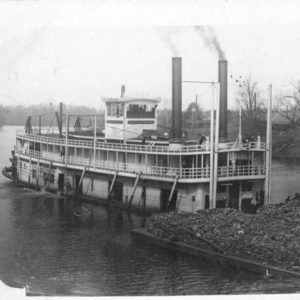
Brothers Andrew and Richard (Dick) Tate and George Anderson arrived at Ecore a Fabre in keelboats soon after and plied their trade along the river, carrying goods and pelts. By the mid-1820s, steamboats made their way up the Ouachita River and brought a faster route from Ecore a Fabre to the New Orleans markets. Continue reading “Early Arkansas People and Transportation: Ecore A Fabre, 1820s”
Category Archives: Uncategorized
Early Arkansas Trappers and Traders: Ecore A Fabre 1782 and 1819
In 1782, the Spanish government sent Jean Baptiste Filhiol to establish a post in the Ouachita region, and he chose Ecore a Fabre, today known as Camden. Here, early French trappers and traders had rendezvoused on the high bluff above where the Caddo Trace crossed the Ouachita River. Filhiol moved the Post a few yearsContinue reading “Early Arkansas Trappers and Traders: Ecore A Fabre 1782 and 1819”
Early Arkansas Hunters: 1780 Standlee Family

Kentucky long hunter John Standlee crossed the Mississippi River sometime between 1778 and 1780. Standlee lived on the Cossatot River in southwest Arkansas with his brothers Benjamin and William, hunting for the market. After moving back to Kentucky and Missouri, the Standlees settled down and began families. John Standlee wished to make his permanent homeContinue reading “Early Arkansas Hunters: 1780 Standlee Family”
Early Arkansas Environment: Northern Soldier’s Opinion 1862
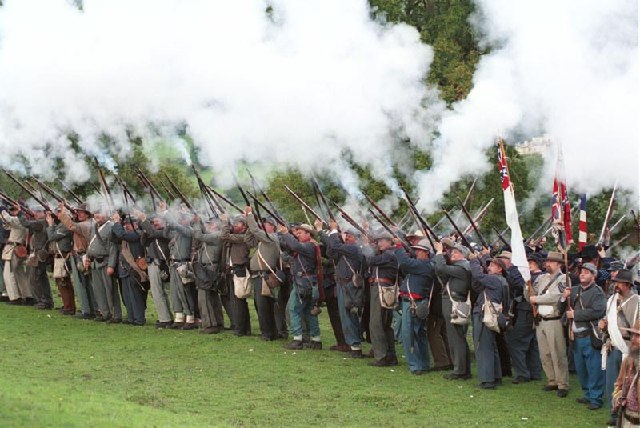
During the Civil War, many Northern soldiers commented about the Arkansas countryside. “I doubt if few of the habitable portions of the globe presents a more dreary and uninviting wilderness,” commented one fellow. One Iowan remarked that this was the “roughest, meanest country God ever made.” “We are in a perfect wilderness,” wrote an Illinoisan,Continue reading “Early Arkansas Environment: Northern Soldier’s Opinion 1862”
Early Arkansas Environment: Sickly 1820 or Healthy?
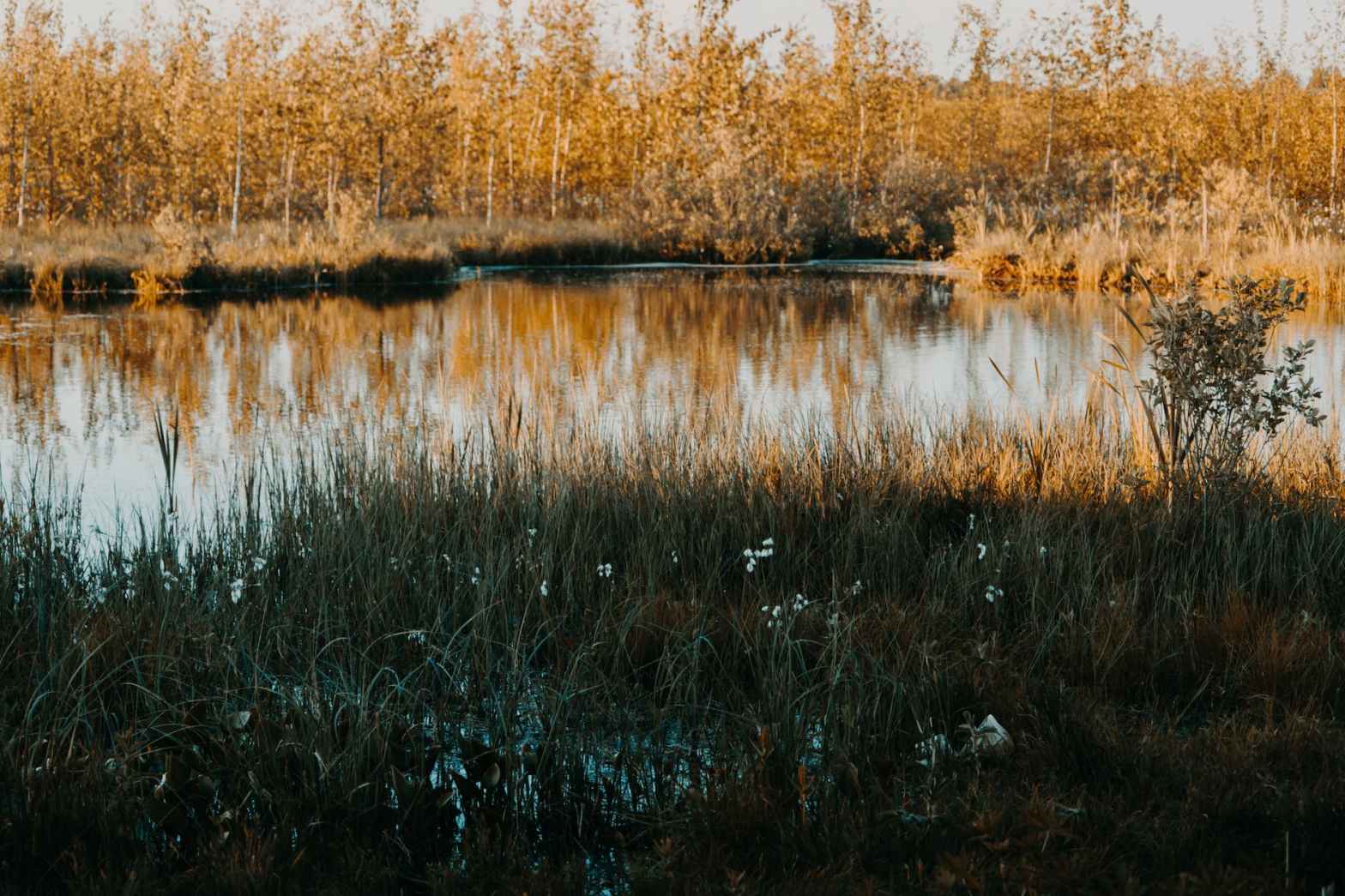
In 1820, “OSCAR” wrote to the Arkansas Gazette at Arkansas Post, blaming the general sickness of inhabitants on something other than mosquitoes or “bad air. The fever and ague, which has heretofore been prevalent among the people, was, doubtless, rather owing to their mode of living than to any baneful properties of the atmosphere.” HeContinue reading “Early Arkansas Environment: Sickly 1820 or Healthy?”
Arkansawyers Have Distrusted Oosers for Some Time: 1870 Traveler
In the 1870s, sportsman Farran Wyde compared Arkansas and Mississippi’s general population and appearances. He claimed he had hunted on both sides of the Mississippi for several years, but he preferred the east side because of uncouth people who resided on the Arkansas side. “Many a weary mile have I ridden in search of aContinue reading “Arkansawyers Have Distrusted Oosers for Some Time: 1870 Traveler”
Early Arkansas Environment: The Deadly Mosquito 1819
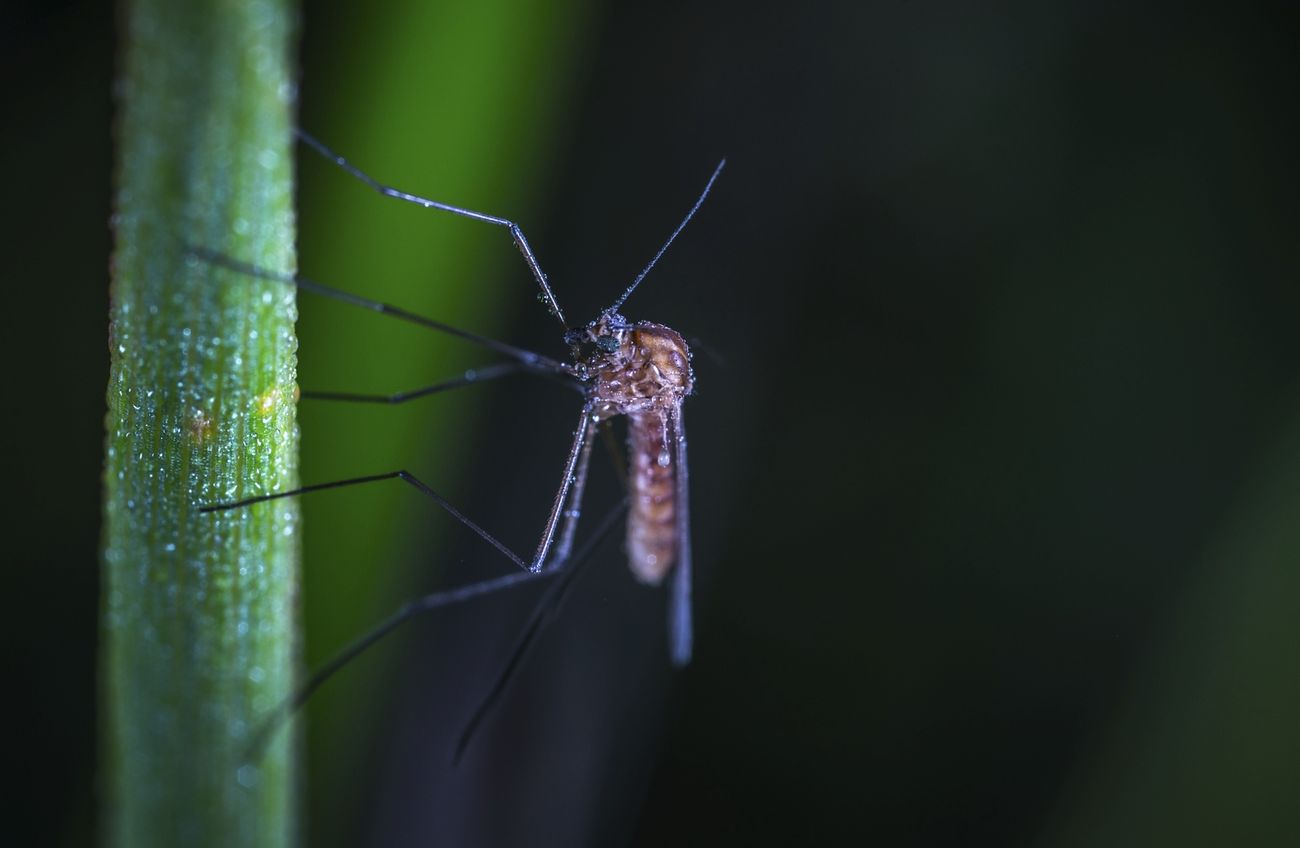
At night, there were only partially effective remedies did exist to ward off mosquitoes. Flint slept under what he called a “very close musquitoe [sic] curtain. When I drew it up and attempted to inhale a little of the damp and sultry atmosphere, the musquitoes [sic] would instantly settle on my face,” evidently having difficultyContinue reading “Early Arkansas Environment: The Deadly Mosquito 1819”
The Early Arkansas Environment: Mississippi River Valley
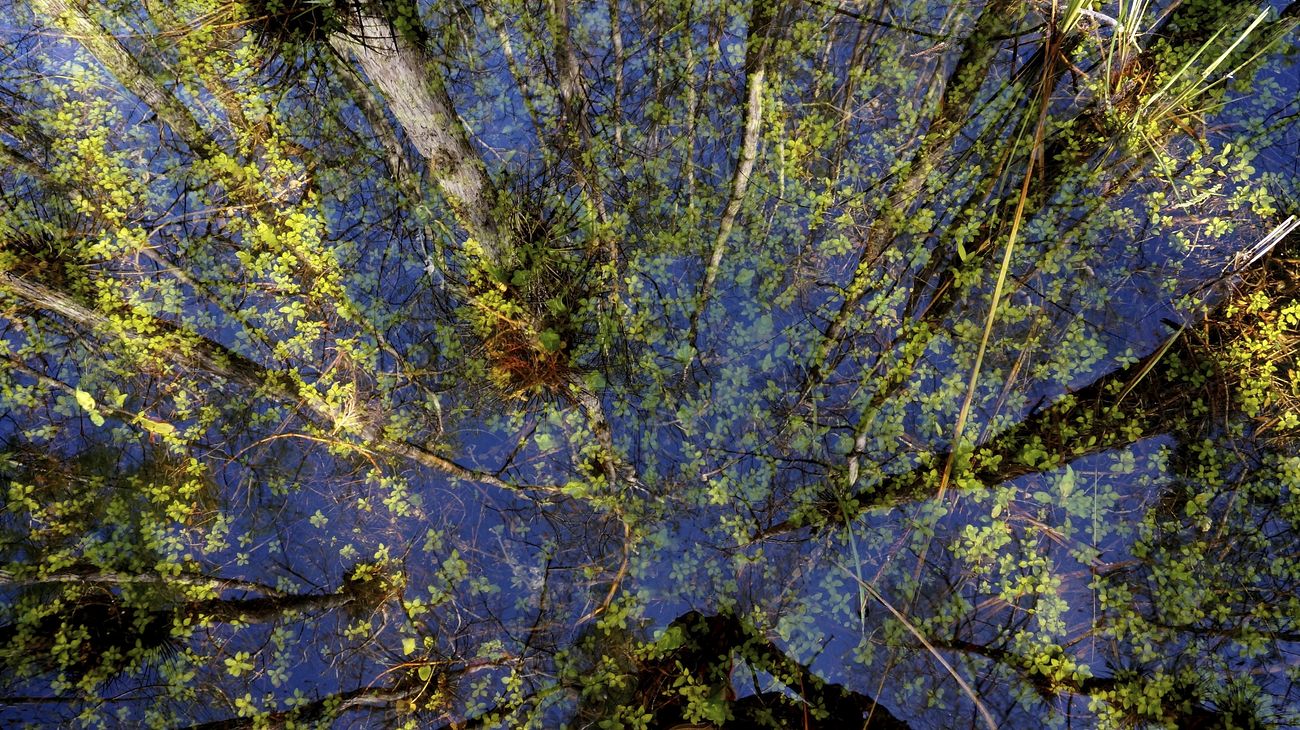
The overflow land of the Mississippi, Flint explained, contained “immense swamps of cypress,” and the water of these swamps was “covered with a thick coat of green matter,” filled with the “moccason [sic] snake with his huge scaly body lying in the folds upon the side of a cypress knee.” The enormous cypress, hundreds ofContinue reading “The Early Arkansas Environment: Mississippi River Valley”
This Day in Arkansas Wildlife History March 28
On this date in 1909, Grant County Representative T. E. Grant introduced a general state game bill to replace the countless county bills. Because multiple legislators, within the period of several years, had submitted and passed a multitude of local county game and fish bills, the situation for the Arkansas outdoorsman was confusing and frustrating.Continue reading “This Day in Arkansas Wildlife History March 28”
This day in Arkansas Wildlife History: February 1, 1895
Garland County Representatives John D. Kimball introduced a bill to end statewide deer hunting for three years and for the state to appoint game “commissioners” in each Arkansas County. This was in 1895. Why would an Arkansas legislator want to pause deer hunting in Arkansas for three years at this early date? Because the ArkansasContinue reading “This day in Arkansas Wildlife History: February 1, 1895”
 Arkansas Wildlife History