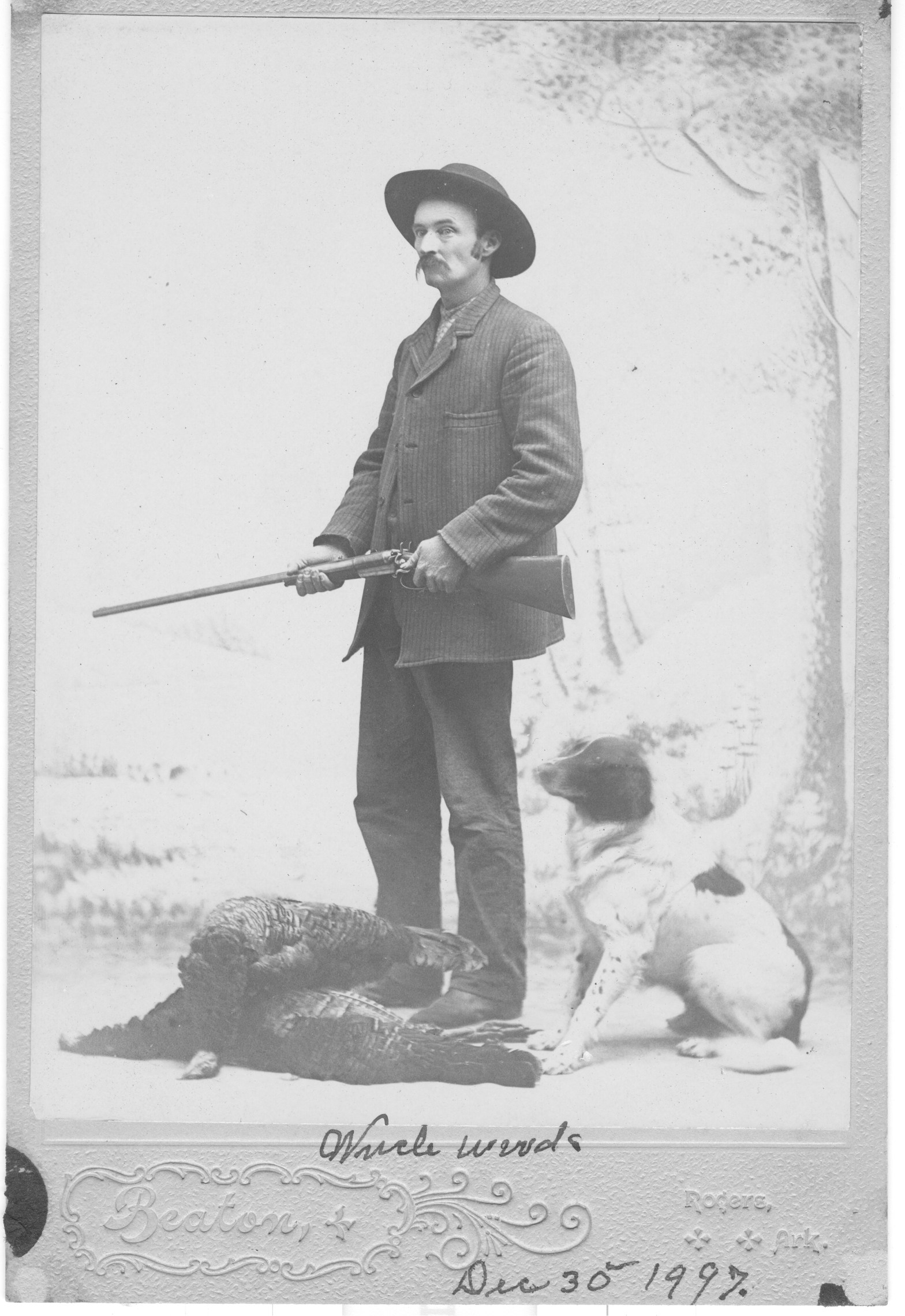
Woods Stroud from Rogers 1897
Tag Archives: #arkansasoutdoors
Early Arkansas Hunters: White River 1818
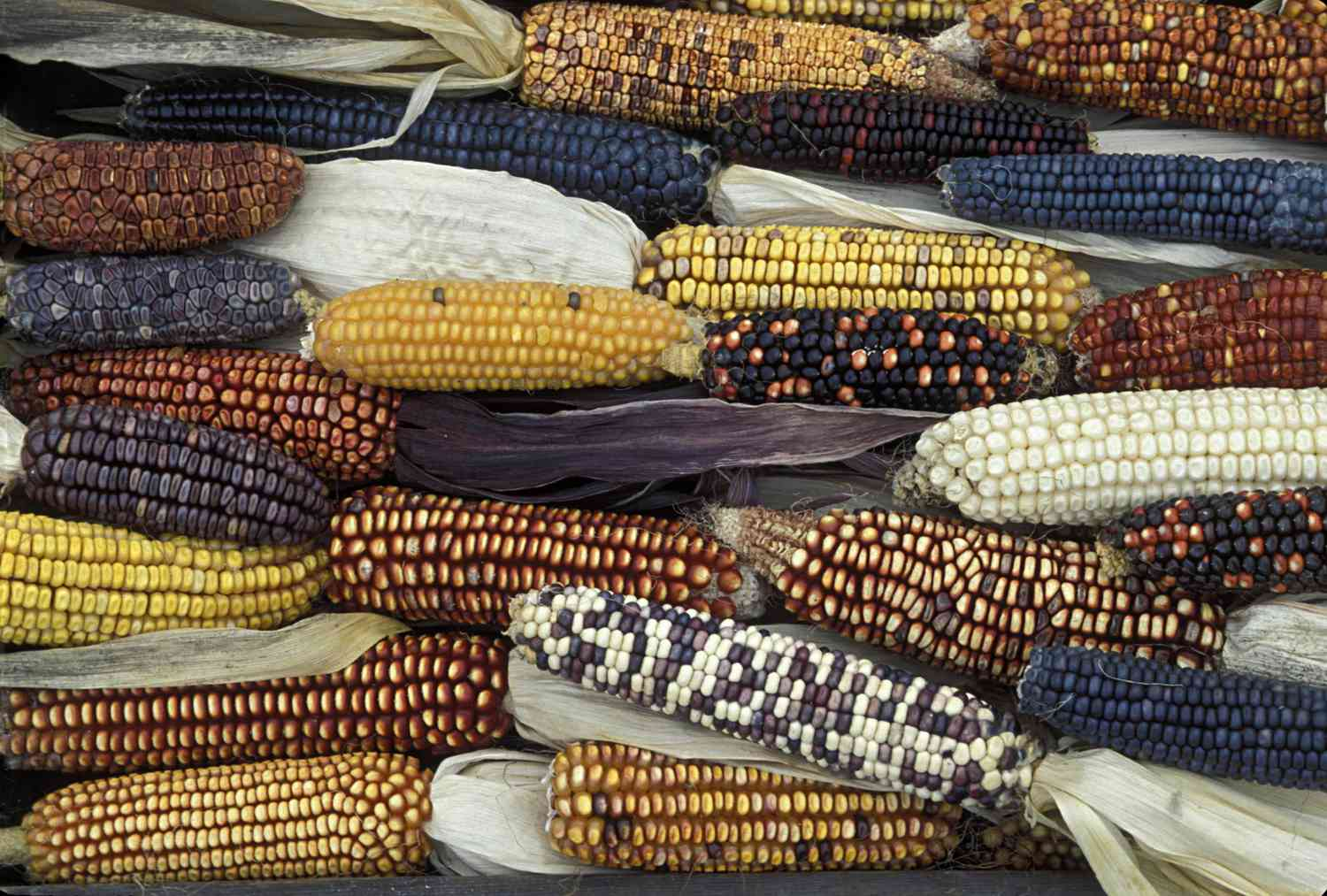
In describing the lifestyle of families living along the White River near the Missouri border at Sugar-Loaf Prairie in December 1818, Schoolcraft noted that “these people subsist partly by agriculture, and partly by hunting. They raise corn for bread, and for feeding their horses…but none for exportation. No cabbages, beets, onions, potatoes, turnips, or otherContinue reading “Early Arkansas Hunters: White River 1818”
Arkansas Hunters from the Past: Frank Leslie from Gillett in 1895
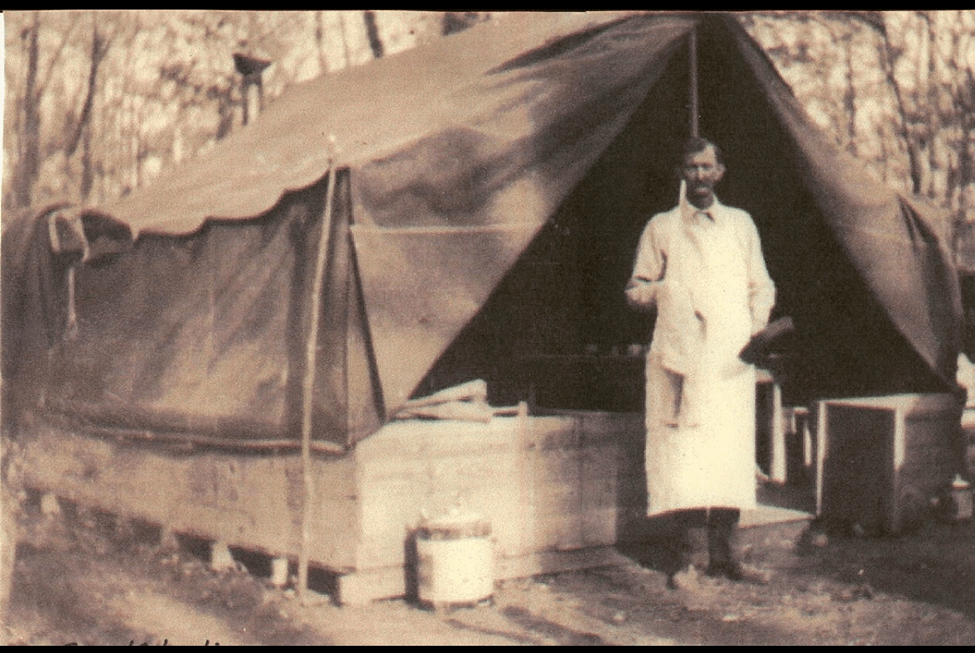
Frank Leslie (b. 1873) was a longtime cook and camp manager for Jacobs Lake Hunting Club On Jacobs Lake NW of Gillett. Today it is known as the Tuff Nutt Hunting Club. Leslie was killed in a train accident in 1896. This picture is from about 1895. Image from Ancestry.com
Arkansas Hunters From The Past: 1910s-1920s
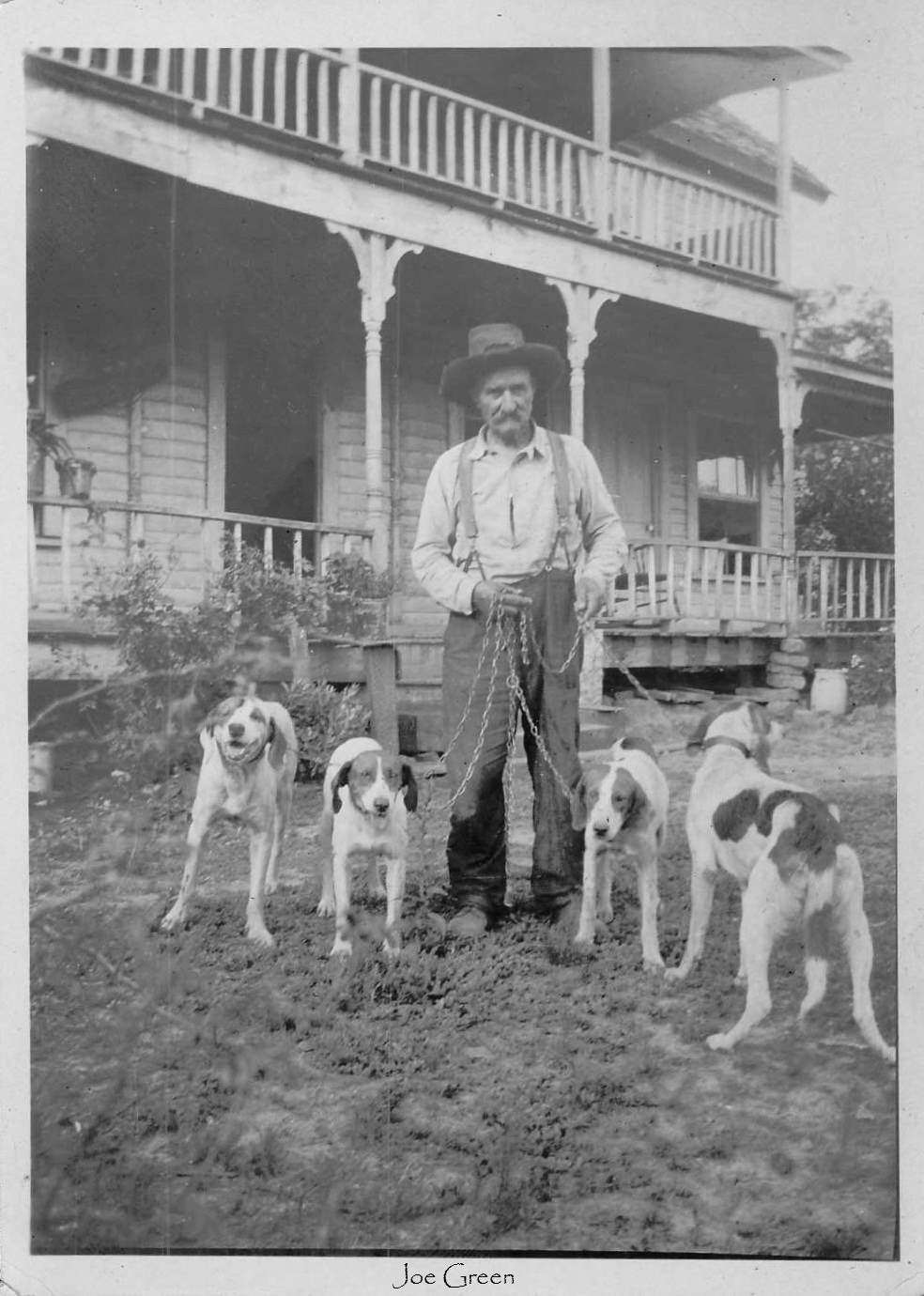
Joseph A. “Joe” Green in Faulkner County is seated on the bottom left of the first picture of an Arkansas hunting camp that dates sometime between 1910 and 1920. (A car enthusiast could probably better date the photo with a look at the car in the background, left) These men have hunting horns, pump andContinue reading “Arkansas Hunters From The Past: 1910s-1920s”
Early Red and White Hunters in the Arkansas Territory: Part I
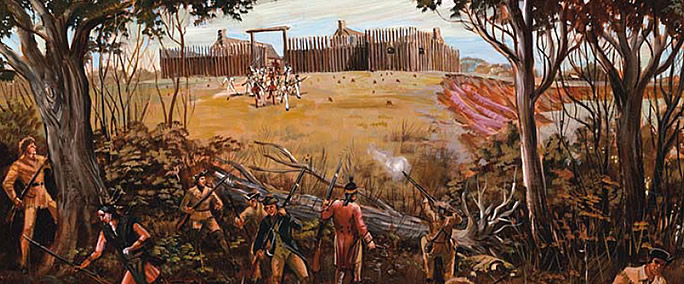
Unfortunately for newly arrived American hunters, they fell into an ongoing power struggle when they arrived in the Arkansas River Valley in the early 1800s. According to historian Kathleen Duval, nations like the Osage and the Quapaw had long sought the best trading avenues for their people to obtain manufactured goods. However, trading networks andContinue reading “Early Red and White Hunters in the Arkansas Territory: Part I”
Early Arkansas People and Transportation: Ecore A Fabre, 1820s
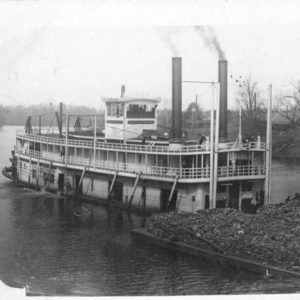
Brothers Andrew and Richard (Dick) Tate and George Anderson arrived at Ecore a Fabre in keelboats soon after and plied their trade along the river, carrying goods and pelts. By the mid-1820s, steamboats made their way up the Ouachita River and brought a faster route from Ecore a Fabre to the New Orleans markets. Continue reading “Early Arkansas People and Transportation: Ecore A Fabre, 1820s”
Early Arkansas Trappers and Traders: Ecore A Fabre 1782 and 1819
In 1782, the Spanish government sent Jean Baptiste Filhiol to establish a post in the Ouachita region, and he chose Ecore a Fabre, today known as Camden. Here, early French trappers and traders had rendezvoused on the high bluff above where the Caddo Trace crossed the Ouachita River. Filhiol moved the Post a few yearsContinue reading “Early Arkansas Trappers and Traders: Ecore A Fabre 1782 and 1819”
Early Arkansas Hunters: 1780 Standlee Family

Kentucky long hunter John Standlee crossed the Mississippi River sometime between 1778 and 1780. Standlee lived on the Cossatot River in southwest Arkansas with his brothers Benjamin and William, hunting for the market. After moving back to Kentucky and Missouri, the Standlees settled down and began families. John Standlee wished to make his permanent homeContinue reading “Early Arkansas Hunters: 1780 Standlee Family”
Early Arkansas Environment: Northern Soldier’s Opinion 1862
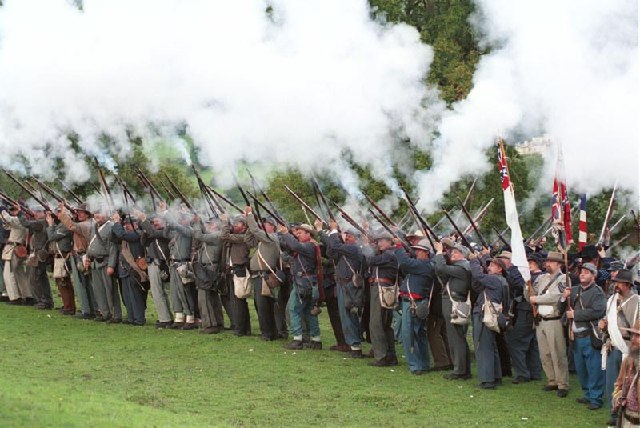
During the Civil War, many Northern soldiers commented about the Arkansas countryside. “I doubt if few of the habitable portions of the globe presents a more dreary and uninviting wilderness,” commented one fellow. One Iowan remarked that this was the “roughest, meanest country God ever made.” “We are in a perfect wilderness,” wrote an Illinoisan,Continue reading “Early Arkansas Environment: Northern Soldier’s Opinion 1862”
Early Arkansas Environment: Sickly 1820 or Healthy?
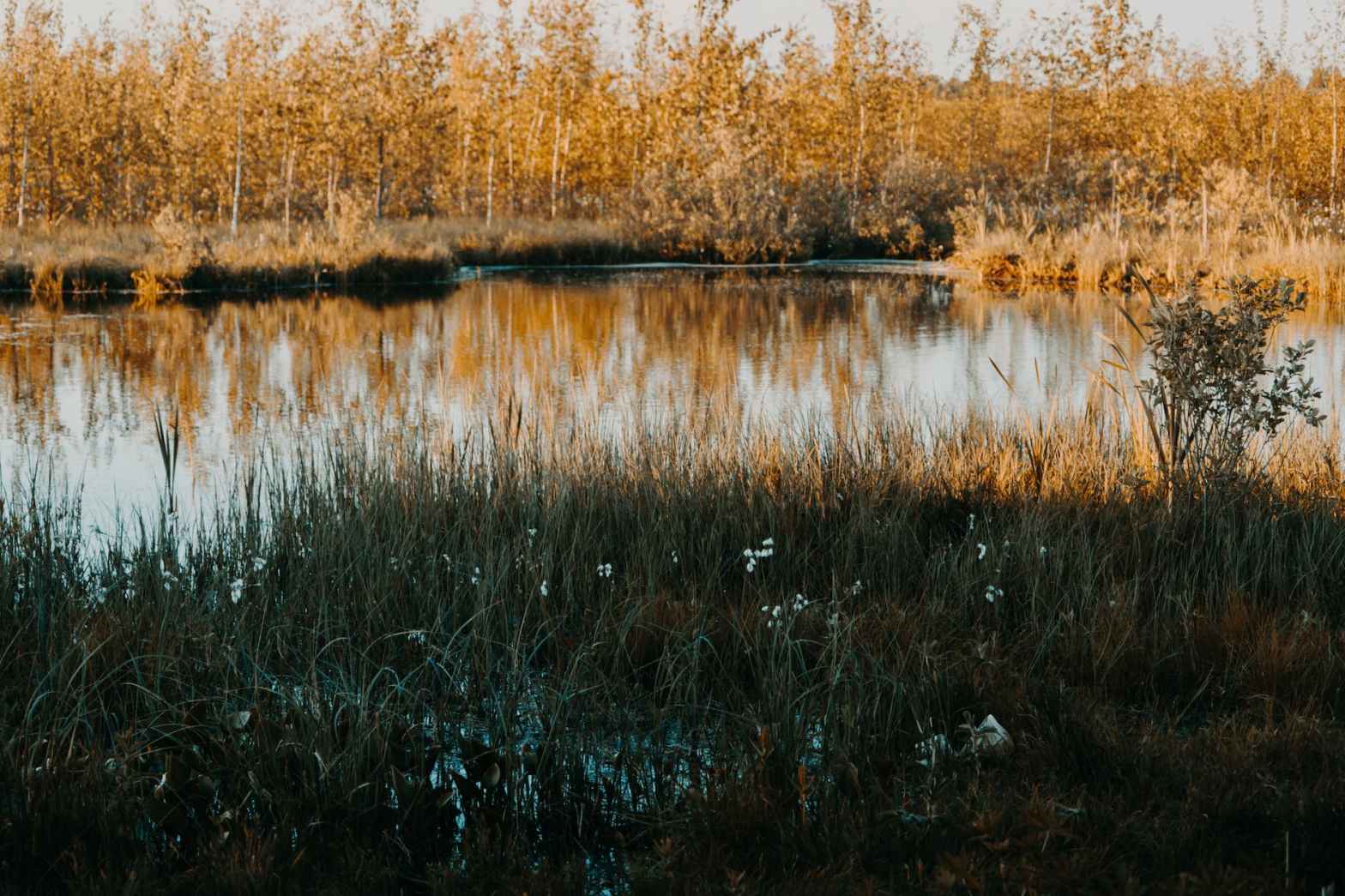
In 1820, “OSCAR” wrote to the Arkansas Gazette at Arkansas Post, blaming the general sickness of inhabitants on something other than mosquitoes or “bad air. The fever and ague, which has heretofore been prevalent among the people, was, doubtless, rather owing to their mode of living than to any baneful properties of the atmosphere.” HeContinue reading “Early Arkansas Environment: Sickly 1820 or Healthy?”
 Arkansas Wildlife History