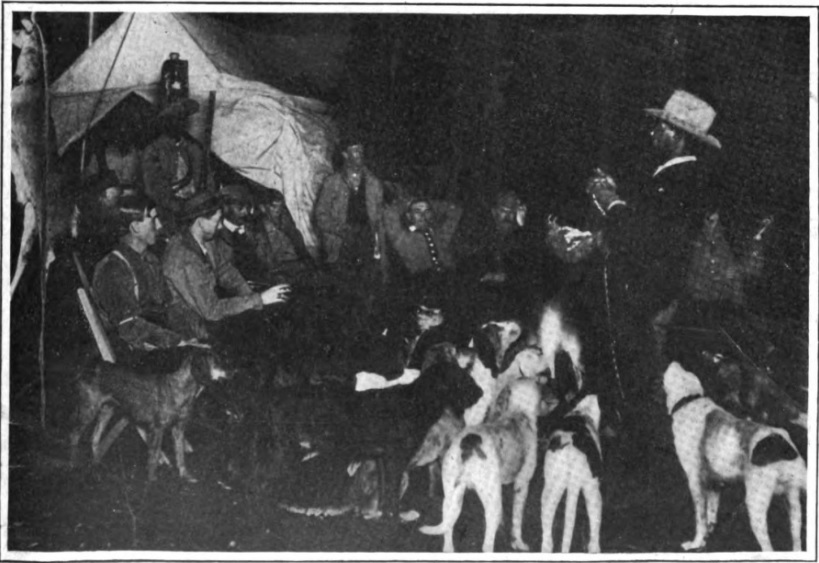
The lack of an effective enforcement system was among the most significant problems with Arkansas game and fish laws since their inception in 1875. For years, local county officers enforced the recent game and fish laws. Many thought these statutes unimportant, did not have the time outside their regular duties to chase game violators, or broke these laws themselves. Since 1891, the Arkansas State Sportsmen’s Association lobbied for a state game warden. By 1909, it looked like their efforts might finally bear fruit.
Another significant enforcement bill had come into the Senate in March 1909, with C. H. Henderson of the Second District submitting Bill No. 281. Henderson’s bill created a game warden system with a licensing program. Bill No. 281 made it through the first two readings and then was never called for a vote and died. Support had then shifted to new legislation called the White bill.[1]
Senator John H. White of the Eighth District (Logan County) had introduced a similar bill (No. 172) to State Representative Holt’s bill that established an Arkansas game warden system and developed a process to fund it. The bill stipulated the governor as the “ex-officio game warden,” who could appoint other game wardens in all seventy-five Arkansas counties, including one chief deputy warden. The chief deputy received $2,500 a year salary (later amended to $1200), and the other deputies collected half of any fines from the violations in their counties. The act also created a $15 non-resident hunting license, another alteration to the DeRossitt Laws. Proponents of the bill argued that if someone enforced Arkansas game laws, then it “will make Arkansas a famous hunting ground for generations to come.” The White bill passed in March 1909, fifteen votes to eight votes in the Senate.
When the White Bill made it across the capital to the House of Representatives the following week, Representative Little from Mississippi County moved to exempt his county again. However, before his amendment came to a vote, the White bill was sent to the House Judiciary Committee, where it remained for several days. When it came out of the committee, they recommended that it not pass the House. The bill was never called for a vote. Senator DeRossitt, strengthened with the success of his other game legislation, tried again with Senate Bill No. 369. The Senate referred the bill to the Committee on Agriculture, and it died there. With its death, the ASSA’s hope for a statewide game warden system in 1909 received another setback.
[1] “State Game Bill,” Arkansas Democrat, March 16, 1909, 5; Arkansas Democrat, March 17, 1909, 3; Journal of the Senate of Arkansas, Thirty-Seventh, 188, 414; “Game Warden Bill In Senate,” Arkansas Democrat, March 21, 1909, 6. The Second District was Randolph, Lawrence, and Sharp Counties.
#arkansas #arkansashunting #arkansasoutdoors #vintagearkansas #vintagehunting #vintagehunter #vintagehunters #arkansaslaws #arkansasconservation #gamelaws #gameprotection #arkansaswildlifehistory #arkansashistory #wildlifehistory #envhistory #gamewarden #earlygamewarden #conservationlaws #gameandfish #hunting @afgc @quailunlimited @ducksunlimited @deltawaterfowl

